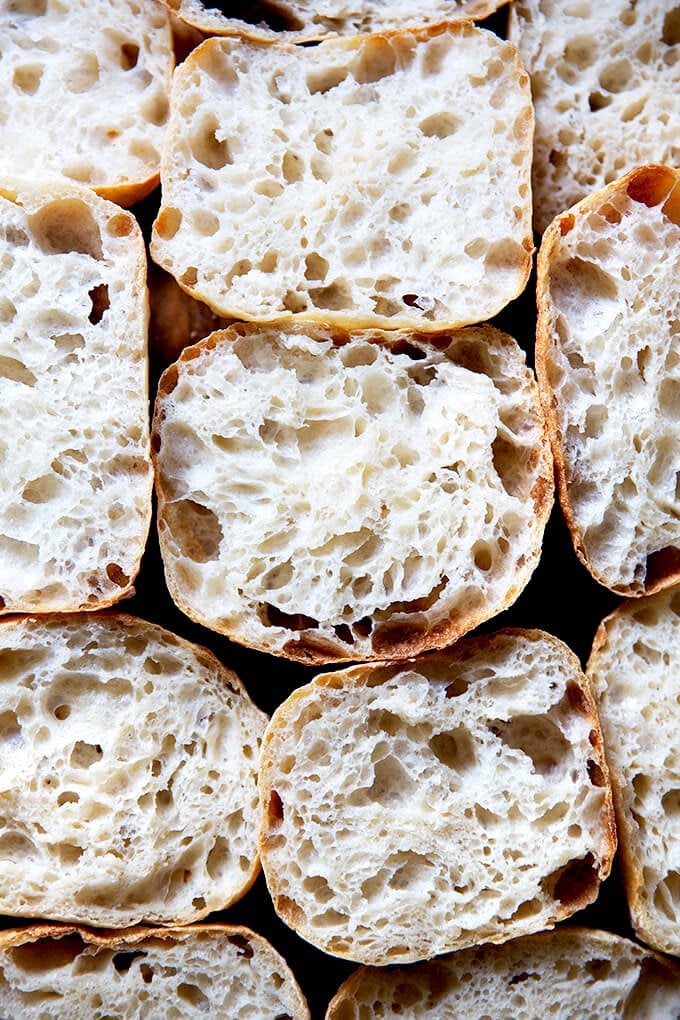
Discover the Magic of Simple Sourdough Ciabatta Bread: Open Crumb & Crisp Crust at Home
Imagine a loaf of bread that looks like it came straight from a Tuscan bakery – golden, rustic, with a crust that shatters at a touch and an interior so airy it resembles a honeycomb. Now, imagine achieving that same artisan quality right in your own kitchen, with minimal effort and surprisingly few ingredients. This isn't a pipe dream; it's the reality of baking simple sourdough ciabatta bread. Forget complicated techniques, special equipment, or endless kneading. This beloved Italian "slipper" bread, famous for its incredible texture and versatility, is remarkably accessible for the home baker, thanks to the power of sourdough.
What Makes Sourdough Ciabatta So Special? A Journey from Italy to Your Kitchen
The name "ciabatta" literally translates to "slipper" in Italian, a nod to its characteristic elongated, somewhat flattened shape. Originating from the picturesque Lake Como region of northern Italy, traditional ciabatta is celebrated for its distinctive porous, light texture. This textural marvel is typically achieved through a combination of a biga (a yeasted preferment), a very high-hydration dough, and a long, slow fermentation.
The beauty of sourdough ciabatta lies in how it brilliantly adapts this tradition. Instead of a commercial yeast biga, we harness the natural leavening power of an active sourdough starter. This not only imbues the bread with that irresistible tangy depth sourdough enthusiasts adore but also contributes to the same desirable qualities: a wonderfully crisp crust, an exquisitely open, honeycomb-like crumb, and a delightful lightness with a satisfying chew. It’s a bread that begs to be torn by hand, drizzled with the finest olive oil, or used as the foundation for the most incredible sandwiches.
The "Hands-Off" Secret to a Perfect Loaf: Simplicity Redefined
If you've ever been intimidated by sourdough baking, preparing The Easiest Sourdough Ciabatta: Sheet Pan & No-Knead Method is about to change your perspective. The most exciting revelation about this bread is its sheer simplicity. It defies many conventional sourdough wisdoms, proving that you don't need to be a seasoned baker to produce professional-grade results.
- No Autolyse Required: Skip the initial flour and water rest, saving you a step.
- Minimal Ingredients: Typically, just flour, water, salt, and your active sourdough starter.
- No Kneading: The magic of high hydration and a long, slow fermentation allows the gluten to develop naturally over time, eliminating the need for strenuous kneading.
- No Specialized Equipment: Forget preheated Dutch ovens, baking stones, or fancy proofing baskets. A simple sheet pan is all you need.
- Effortless Shaping: Perhaps the most liberating aspect is the complete lack of complex shaping or scoring. After its bulk fermentation, the dough is simply turned out onto a floured surface, gently patted into a rectangle, and divided into pieces. These irregularly shaped pieces are then transferred to a sheet pan and baked, embracing the rustic charm that defines ciabatta.
This truly hands-off approach makes simple sourdough ciabatta bread a perfect weekend baking project, often requiring as little as 10 minutes of active prep work. The rest is patience, allowing time and your starter to do the heavy lifting.
Mastering the Art of the Open Crumb: Understanding High Hydration
The defining characteristic of ciabatta is its incredibly open, airy crumb, often described as a "honeycomb." This texture isn't accidental; it's a direct result of the dough's high hydration and the careful balance of fermentation. Sourdough ciabatta dough can be upwards of 80% hydration or even higher, meaning it contains a large proportion of water relative to flour. This results in a very wet, sticky dough, which might feel intimidating at first, but is crucial for that characteristic lightness.
The Role of High Hydration & Long Fermentation:
- Gluten Development: The abundant water allows the flour proteins to fully hydrate and form strong, elastic gluten networks without the need for intensive kneading. Over the long, slow fermentation, the starter’s activity further strengthens this network, trapping gasses and creating those beautiful, large air pockets.
- Flavor Complexity: The extended fermentation time, fueled by your sourdough starter, develops a profound depth of flavor – a pleasant tanginess balanced with earthy wheat notes – that you simply can't achieve with faster, yeasted breads.
- Steam for Crust: The high water content in the dough contributes significantly to the crisp, delicate crust during baking. As the water evaporates, it creates steam around the loaf, leading to that signature crackly exterior.
Tips for Handling Wet Dough:
Don't be afraid of the stickiness! Embrace it. Keep your hands and work surface lightly floured. A dough scraper will be your best friend for gently manipulating and dividing the dough without deflating the precious air pockets that have formed during bulk fermentation. The less you handle it aggressively, the better your crumb will be.
Beyond the Basics: Tips for Sourdough Ciabatta Success & Versatility
To ensure your simple sourdough ciabatta bread consistently delivers that perfect open crumb and crisp crust, consider these additional insights:
- Active Starter is Key: Ensure your sourdough starter is vigorous and active, ideally fed 4-12 hours before mixing and showing plenty of bubbles. A weak starter will lead to a dense, underproofed loaf.
- Trust the Process: The "hands-off" approach requires patience. Don't rush the bulk fermentation. The dough should be visibly aerated, jiggly, and have increased significantly in volume (often 50-75% or even doubled, depending on the recipe and ambient temperature).
- Gentle Touch: When turning out and dividing the dough, be as gentle as possible. Avoid pushing out the air you've worked so hard to create. Use a light hand and plenty of flour on your surface and dough scraper.
- Embrace Imperfection: Ciabatta is a rustic bread. Its irregular shape is part of its charm. Don't strive for perfection; simply aim for deliciousness.
Serving Suggestions & Creative Uses:
The versatility of sourdough ciabatta is truly one of its greatest appeals. It's not just a bread; it's an experience:
- The Ultimate Sandwich Bread: Its sturdy yet tender crumb makes it ideal for Homemade Sourdough Ciabatta: Your Go-To Recipe for Sandwiches. Think grilled panini, deli meats and cheeses, fresh mozzarella and tomato, or a classic Italian cold cut sub.
- Bruschetta Bliss: Toast slices, rub with garlic, drizzle with olive oil, and top with fresh diced tomatoes, basil, and a sprinkle of sea salt. Or get creative with roasted red peppers, olive tapenade, or goat cheese and fig.
- Soup Dunker: Its porous texture is perfect for soaking up hearty stews, minestrone, or a rich tomato soup.
- Beyond Ciabatta: Interestingly, this high-hydration sourdough dough also makes an exceptional baguette! Unscored and flour-dusted, it produces a crumb and flavor profile that rivals any other baguette recipe.
- Croutons & Breadcrumbs: Stale ciabatta makes the most incredible croutons for salads or delicious breadcrumbs for various recipes.
Whether you're new to sourdough or a seasoned baker looking for an effortlessly elegant loaf, this simple sourdough ciabatta bread recipe will undoubtedly become a treasured staple in your kitchen. Its promise of a crisp crust, an incredibly open crumb, and that irresistible sourdough tang is within easy reach.
Unlock Your Inner Artisan Baker Today
From its Italian origins as a humble "slipper" bread to its place on menus worldwide, ciabatta holds a special allure. With the magic of an active sourdough starter and a remarkably hands-off method, you can bring this artisan masterpiece to your own table. The joy of tearing into a freshly baked loaf, savouring its complex flavour and perfect texture, is an experience every home baker deserves. So, gather your simple ingredients, embrace the process, and prepare to unlock the secret to perfect sourdough ciabatta – a bread that truly feels like a treat, every single time.
