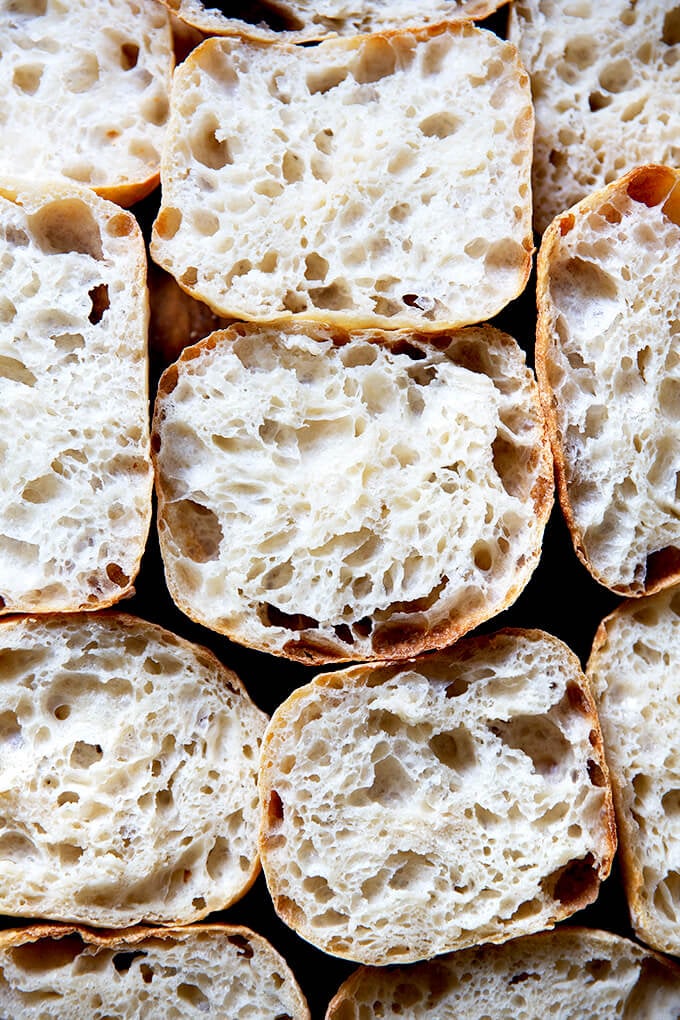
Homemade Sourdough Ciabatta: Your Go-To Recipe for Sandwiches
Imagine a bread that's crisp on the outside, incredibly light and airy on the inside, with a texture so unique it elevates any sandwich from ordinary to extraordinary. Now imagine making that bread in your own kitchen with minimal effort. Sounds like a dream, right? Welcome to the world of homemade sourdough ciabatta. This isn't just another bread recipe; it's a gateway to artisan-quality bread, perfect for dunking into olive oil, accompanying a hearty soup, or, most notably, serving as the ultimate foundation for your favorite sandwiches. And the best part? It's surprisingly simple.
The Allure of Sourdough Ciabatta: More Than Just a "Slipper"
Originating from Italy's picturesque Lake Como region, ciabatta literally translates to "slipper" – a nod to its characteristically flat, elongated, and rustic shape. Traditional ciabatta is renowned for its strikingly open, porous texture and thin, crisp crust, typically achieved through a preferment called a *biga* and a highly hydrated dough undergoing a long, slow rise. This combination creates a bread that is light yet chewy, with a flavor that hints at its careful fermentation.
Our journey, however, takes a delightful detour. While maintaining the high hydration and patient fermentation of its Italian ancestors, this recipe replaces the traditional biga with a vibrant sourdough starter. This single swap introduces an unparalleled depth of flavor, a subtle tang, and the distinct characteristics that only natural fermentation can provide. The result is a bread with a beautifully crisp crust, an interior marked by an impressive "honeycomb" crumb, and an overall lightness and chew that feels both rustic and refined. It's this unique combination of attributes that makes a truly
simple sourdough ciabatta bread so much more rewarding to make at home.
What Makes This Simple Sourdough Ciabatta Bread Recipe Different?
Forget everything you think you know about intimidating artisan bread making. This sourdough ciabatta recipe is a revelation in simplicity. It redefines what's possible for home bakers by stripping away the complexities often associated with high-quality bread.
Here’s why this particular approach stands out:
*
Minimal Ingredients: You only need four fundamental ingredients – active sourdough starter, flour, water, and salt. That's it.
*
No Autolyse Required: Many bread recipes call for an autolyse (a resting period for flour and water) to aid gluten development. This recipe cleverly sidesteps that step, proving that a long, slow fermentation does the heavy lifting for you, developing strength and flavor without extra fuss.
*
No Special Equipment: You won't need a preheated Dutch oven, a fancy baking stone, or specialized proofing baskets. A standard sheet pan is all that's necessary to achieve remarkable results. This makes it incredibly accessible for any home kitchen.
*
Zero Kneading, Zero Shaping: Perhaps the most revolutionary aspect is the complete absence of traditional kneading or intricate shaping. After the bulk fermentation, you simply turn the dough out onto a floured surface, gently pat it into a rectangle, and divide it into pieces. These irregularly shaped pieces are then transferred directly to your sheet pan, ready for their final proof and bake. Embrace the rustic charm – no need for perfection!
This truly hands-off methodology means you spend mere minutes on active preparation, allowing time and your sourdough starter to work their magic. The outcome is a bread that feels like it came straight from a gourmet bakery, yet the process is incredibly forgiving and approachable.
Crafting Your Perfect Sourdough Ciabatta: A Step-by-Step Overview
Achieving that signature crisp crust and wildly open crumb of homemade sourdough ciabatta is easier than you might think, primarily because the bulk of the work is done by your active sourdough starter and extended fermentation.
1.
Activate Your Starter: The foundation of exceptional sourdough ciabatta is a vigorous, active starter. Ensure it's been fed and is bubbly and robust before you begin mixing. This provides the necessary leavening power and contributes significantly to the bread's characteristic tang and texture.
2.
Mix the Dough: Combine your active starter, flour, water, and salt. The dough will be very wet and sticky – this is intentional and crucial for developing that iconic airy crumb. Resist the urge to add more flour; embracing the high hydration is key.
3.
Bulk Fermentation: This is where the magic happens. Over several hours (or even overnight in a cooler environment), the dough undergoes its primary rise. During this period, the gluten network develops, and the complex flavors of sourdough deepen. Occasional folds during the initial stages can help build strength, but even without them, the long fermentation will do wonders.
4.
Divide and Bake: Once the bulk fermentation is complete, gently turn the dough out onto a generously floured surface. Using floured hands or a bench scraper, softly pat it into a rectangular shape. Then, simply divide it into your desired number of pieces. Transfer these pieces, with all their rustic, irregular charm, onto a sheet pan lined with parchment paper. After a brief final proof, they’re ready for the oven. This streamlined process, especially the sheet pan method and no-knead technique, is fantastic for achieving great results with minimal fuss. For a deeper dive into this simplified process, check out our guide on
The Easiest Sourdough Ciabatta: Sheet Pan & No-Knead Method.
The beauty of this high-hydration dough is its incredible elasticity and ability to trap large pockets of air, which transforms into those desirable internal holes during baking. Don't be intimidated by its stickiness; a well-floured surface and confident, light handling will make the process smooth.
Beyond the Sandwich: Versatile Uses for Your Homemade Ciabatta
While "Your Go-To Recipe for Sandwiches" is in the title for a reason – the sturdy yet light crumb holds fillings beautifully without becoming soggy – your homemade sourdough ciabatta offers a world of culinary possibilities:
*
The Ultimate Sandwich Bread: Its robust crust and airy interior make it perfect for everything from classic Italian paninis and deli-style subs to gourmet grilled cheese or a simple slice of avocado. The open crumb perfectly absorbs flavors from sauces and spreads.
*
Dunking Delight: Tear off generous chunks and dunk them into the finest olive oil, a rich balsamic vinegar, or your favorite hearty soup. The porous texture is superb for soaking up liquids.
*
Bruschetta Base: Slice it horizontally, lightly toast, and top with fresh tomatoes, garlic, basil, and a drizzle of olive oil for an authentic bruschetta appetizer.
*
Crispy Croutons: Stale ciabatta can be cubed, tossed with olive oil and herbs, and baked until crispy for a superior addition to salads or soups.
*
Unexpected Baguettes: Surprisingly, this very same dough, when elongated and baked (unscored and flour-dusted), transforms into an exceptional baguette, offering a crumb and flavor profile that can rival far more complex recipes. It's a testament to the dough's incredible versatility.
Learning how to truly
Unlock Perfect Sourdough Ciabatta: Open Crumb & Crisp Crust ensures you'll be able to enjoy your bread in all these fantastic ways.
Tips for Sourdough Ciabatta Success
Even with a "simple" recipe, a few insider tips can make your baking journey even more rewarding:
*
Listen to Your Starter: An active, well-fed sourdough starter is non-negotiable. It should be bubbly, risen, and pass the float test before you mix your dough.
*
Embrace the Hydration: Don't fight the wetness! High hydration is the secret to ciabatta's airy crumb. Use a generous amount of flour on your work surface and hands when handling the dough after bulk fermentation. A bench scraper can also be your best friend.
*
Patience is a Virtue: The long, slow rise is fundamental. Don't try to rush the bulk fermentation or the final proof. The flavors and textures develop over time. Ambient kitchen temperature will dictate the precise timing; watch the dough, not just the clock.
*
Rustic is Beautiful: Ciabatta is inherently rustic. Don't stress about perfectly uniform shapes. The irregular edges and varied sizes are part of its charm and proof of its homemade authenticity.
*
Proper Storage: Once baked and cooled, store your ciabatta at room temperature in a paper bag or a bread box to maintain its crust and interior texture. It freezes well too, for longer storage.
Conclusion
Making your own
simple sourdough ciabatta bread is an incredibly rewarding experience that brings a touch of artisan bakery quality right into your home kitchen. From its fascinating Italian origins to its delightfully easy, hands-off baking process, this bread proves that gourmet doesn't have to mean complicated. With its distinctive crisp crust, stunning honeycomb crumb, and incredible versatility for sandwiches and beyond, it's a recipe that's sure to become a beloved staple in your baking repertoire. So, fire up your ovens, feed your starter, and prepare to enjoy the unparalleled taste and texture of homemade sourdough ciabatta – your sandwiches will thank you!