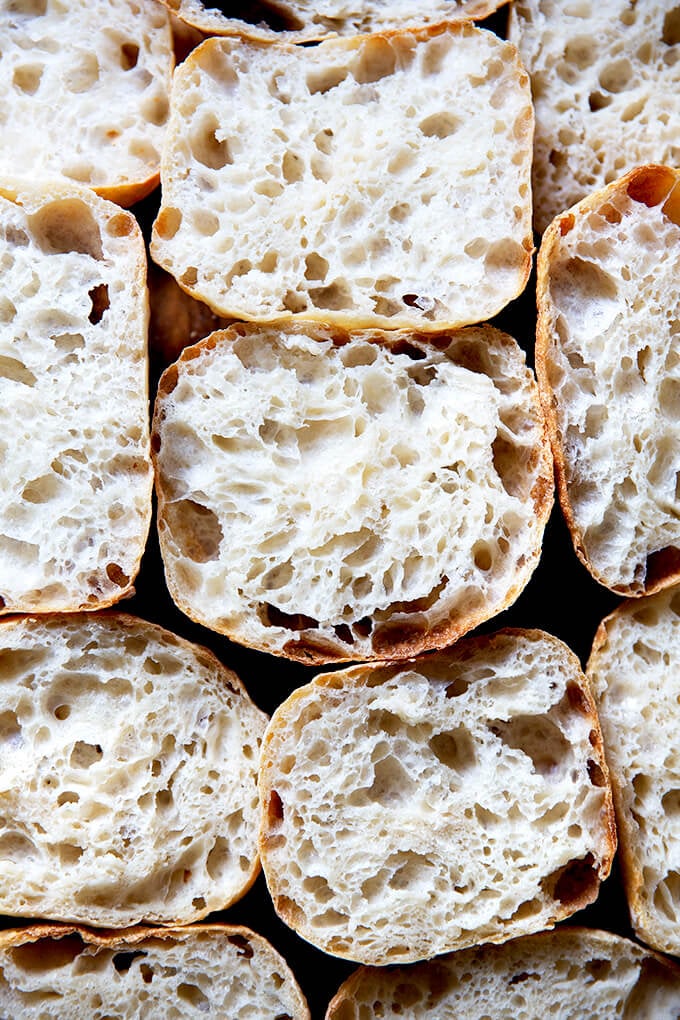
Imagine pulling a loaf of artisan-quality ciabatta from your oven, its crust crackling, its interior boasting an airy, open crumb, and that distinctive tangy aroma filling your kitchen. For many, baking sourdough ciabatta at home sounds like a daunting task reserved for professional bakers. But what if we told you there’s an incredibly straightforward way to achieve this culinary masterpiece, right in your own kitchen, using just a sheet pan and a no-knead approach? Welcome to the world of the simple sourdough ciabatta bread, a recipe designed for minimal effort and maximum reward.
This isn't just another bread recipe; it's an invitation to experience the joy of baking authentic Italian ciabatta without the usual fuss. Known for its rustic charm and versatility, ciabatta, meaning “slipper” in Italian, originated in the Lake Como region of northern Italy. Traditional methods often involve complex steps like preparing a biga (a yeast-based preferment) and extensive shaping. Our approach, however, streamlines this process dramatically, replacing the biga with your active sourdough starter and embracing a truly hands-off methodology. The result? A loaf that’s perfect for everything from gourmet sandwiches to dipping into olive oil, promising a crisp crust, a beautiful honeycomb interior, and a delightful chew.
Embracing the Simplicity: Your Path to Easy Sourdough Ciabatta Bread
The phrase "sourdough bread" often conjures images of intricate folding, precise shaping, and perhaps even the need for specialized equipment like Dutch ovens or baking stones. This simple sourdough ciabatta bread recipe shatters those preconceptions. Its genius lies in its sheer simplicity, making artisan bread baking accessible to everyone, regardless of experience level.
Here’s why this method stands out as the easiest way to achieve bakery-quality ciabatta at home:
- No Kneading Required: Forget the arm-aching work. The high hydration of the dough, coupled with a long, slow fermentation, allows the gluten to develop naturally. This "hands-off" approach is not just a shortcut; it's a fundamental principle behind achieving ciabatta's characteristic open crumb. The dough practically develops itself while you go about your day.
- Sheet Pan Baking: No preheated Dutch ovens, no baking stones, no fuss. If you have a standard sheet pan, you’re ready to bake. This significantly simplifies the baking process, ensuring even heat distribution for that perfect crackly crust without requiring specialized gear.
- Minimal Active Prep, Maximum Flavor: With only about 10 minutes of actual hands-on prep work, this recipe fits perfectly into a busy weekend schedule. The bulk of the work is done by time and your active sourdough starter, patiently transforming simple ingredients into something extraordinary.
- Effortless Shaping: Perhaps the most revolutionary aspect is the complete lack of intricate shaping. After the bulk fermentation, you simply turn the dough onto a floured surface, gently pat it into a rough rectangle, and divide it into pieces. No elaborate scoring or intricate shaping needed – the rustic, irregular shapes are part of ciabatta's charm. You then transfer these irregularly shaped pieces directly to your sheet pan for a final rise and bake.
This process isn't just easy; it’s liberating. It demonstrates that the most beautiful, delicious bread doesn’t always require the most complex techniques, proving that a truly perfect sourdough ciabatta with an open crumb and crisp crust is within everyone's reach.
The Magic Behind the Crumb: Crafting Your Perfect Simple Sourdough Ciabatta Bread
While the process is wonderfully simple, the results are nothing short of spectacular. This simple sourdough ciabatta bread delivers on all fronts: a wonderfully crisp crust, a tender and chewy interior, and that unmistakable tangy depth that only a long-fermented sourdough can provide. So, what are the secrets behind this seemingly effortless perfection?
At its heart, this ciabatta relies on four fundamental ingredients:
- Active Sourdough Starter: This is where the magic begins. Replacing the traditional yeast-based biga, your active sourdough starter provides the leavening power, complex flavors, and contributes significantly to the characteristic open, irregular crumb structure. Ensure your starter is vibrant and bubbly, ideally fed and active, before you begin.
- Flour: A good quality bread flour or unbleached all-purpose flour works exceptionally well, providing the necessary gluten structure to support the high hydration. The protein in the flour is crucial for developing the network that traps those beautiful air pockets.
- Water: This recipe utilizes a high-hydration dough, meaning a significant amount of water relative to flour. This high water content is crucial for creating that famously open, airy, and irregular honeycomb crumb that ciabatta is celebrated for. It also contributes to the dough's softness and extensibility, making it easy to handle without kneading.
- Salt: Essential for enhancing flavor, salt also plays a vital role in controlling the rate of fermentation and strengthening the gluten network, leading to better structure.
Beyond the ingredients, two key elements drive the transformation from simple dough to artisan bread:
- High Hydration: Working with a wet dough might feel a little different at first, but it's the undisputed secret to ciabatta's incredibly light and porous texture. Embracing its "hands-off" nature means resisting the urge to add more flour to make it easier to handle during the initial mixing and bulk fermentation. This wetness allows the gluten to relax and expand more readily.
- Long, Slow Fermentation: This extended period of fermentation, driven by your sourdough starter, is where the flavor truly develops. It breaks down complex carbohydrates, making the bread more digestible, and creates those beautiful air pockets, resulting in a light, chewy crumb with a satisfying tang. This slow process allows the dough to build strength and structure without any manual kneading, leading to a truly artisan result you’d expect from a fancy bakery.
The combination of these elements yields a bread that is soft, incredibly open, and light in hand—almost like a bushel of puffy marshmallows bound together by a crust poised to shatter at the slightest pressure. It's truly a treat that begs to be torn and enjoyed.
Beyond the Bake: Culinary Delights with Your Homemade Simple Sourdough Ciabatta Bread
Once you’ve experienced the joy of baking your own simple sourdough ciabatta bread, the possibilities for enjoying it are endless. This versatile bread isn't just a side dish; it's a star player that can elevate any meal, transforming everyday ingredients into something extraordinary.
Perfect for Sandwiches: Your Go-To for Delicious Meals
The inherent "slipper" shape and sturdy yet airy texture of ciabatta make it the ideal canvas for sandwiches of all kinds. Its interior readily absorbs flavors without becoming soggy, while the crisp crust provides a satisfying bite. Imagine:
- Classic Italian Panini: Layered with prosciutto, fresh mozzarella, ripe tomatoes, basil, and a drizzle of balsamic glaze, then pressed until warm and gooey.
- Hearty Deli Sandwiches: From thinly sliced roast beef and sharp cheddar to savory turkey and provolone, the ciabatta holds up beautifully to generous fillings. Its large air holes are perfect for catching dressings and sauces, preventing a messy meal.
- Vibrant Vegetarian Delights: Grilled Mediterranean vegetables, creamy hummus, crumbled feta, and a generous drizzle of olive oil create a flavorful and satisfying meal.
In fact, this ciabatta is so perfectly suited for building the ultimate sandwich, it could easily become your go-to recipe for homemade sourdough ciabatta sandwiches.
More Ways to Savor Your Sourdough Ciabatta:
- Bruschetta Bliss: Slice and lightly toast the ciabatta, then top with classic tomato and basil, a rich olive tapenade, or creamy ricotta and honey for an elegant and easy appetizer.
- Soup Companion: Its porous nature and robust chew make it excellent for soaking up rich broths and hearty stews. Tear off a piece and dunk it into your favorite lentil soup, French onion, or minestrone.
- Dipping Perfection: For the ultimate simple pleasure, simply tear a piece and dip it into your finest extra virgin olive oil, perhaps with a sprinkle of flaky sea salt and freshly cracked black pepper.
- Garlic Bread Extraordinaire: Slice lengthwise, slather generously with homemade garlic butter, and toast until golden and fragrant for an irresistible side to pasta dishes or grilled meats.
- Unexpected Baguettes: As a delightful bonus, the versatility of this dough extends to creating incredible baguettes. Simply shape the dough into longer, narrower loaves (no scoring needed!), dust with flour, and bake. You'll be amazed at the crust and open crumb, rivalling even specialized baguette recipes.
Whether it’s the centerpiece of a celebratory meal or a simple accompaniment to your daily routine, this simple sourdough ciabatta bread offers a gourmet experience with minimal effort.
Troubleshooting & Tips for Your Best Simple Sourdough Ciabatta Bread
While this recipe emphasizes simplicity, working with high-hydration sourdough dough can present unique challenges for the uninitiated. Here are some insights and practical tips to ensure your baking journey is a success, leading to that coveted crisp crust and airy crumb every time:
Essential Tips for Success:
- Understand Your Starter: An active and vigorous sourdough starter is paramount. It should be fed and bubbly, ideally doubling in size within 4-6 hours (or showing clear signs of activity) before you mix your dough. A weak or sluggish starter will result in dense, flat bread with poor oven spring.
- Embrace the Wetness: Ciabatta dough is inherently sticky and wet – that's its defining characteristic and what gives it its characteristic open crumb. Resist the urge to add excessive amounts of flour during mixing or bulk fermentation. A light dusting of flour on your work surface and hands, along with a sturdy dough scraper, will be your best friends when handling and dividing the dough.
- Temperature Matters: Maintain a consistent, warm environment (around 72-78°F / 22-25°C) for bulk fermentation. This helps your sourdough starter work efficiently, promoting consistent gas production and gluten development. In colder environments, fermentation will take significantly longer, so be patient.
- Gentle Handling: After bulk fermentation, treat the dough with care. Avoid excessive handling or degassing (punching it down), as this will expel the precious gas bubbles that contribute to the open crumb structure. Gentle patting and stretching are key when forming your ciabatta pieces.
- Don't Rush the Rise: The long, slow rise is crucial for flavor development and crumb structure. Pay attention to the dough, not just the clock. It should look noticeably puffy, significantly increased in volume, and pass the "poke test" (a gently poked indentation should slowly spring back) before baking.
- Hot Oven is Key: Ensure your oven is fully preheated to the specified temperature. High initial heat helps the bread achieve a great "oven spring" – that final burst of expansion in the oven – and contributes to that desirable crisp, golden crust.
Common Troubleshooting Scenarios:
- Flat Ciabatta: This often points to an under-active starter, insufficient bulk fermentation (under-proofing), or, less commonly, over-fermentation where the gluten structure has collapsed. Review your starter's activity and allow ample time for the dough to rise.
- Dense Crumb, Few Holes: This is typically a sign of under-fermentation (not enough gas production), a weak starter, or too much handling/degassing during the final stages of shaping. Remember, less handling is often more for ciabatta.
- Hard, Thick Crust: Your oven might be too hot, or it might benefit from a touch more steam during the initial baking phase. While this recipe aims for simplicity without extra steam, if you consistently get a very thick crust, placing a shallow tray of hot water in the bottom of the oven for the first 10-15 minutes can help create a thinner, more delicate crust.
By keeping these tips in mind, you'll master the art of baking truly delicious simple sourdough ciabatta bread, transforming basic ingredients into an impressive, bakery-quality loaf right at home.
The journey to baking artisan bread doesn't have to be complex or intimidating. This easiest sourdough ciabatta bread recipe, with its no-knead, sheet pan method, demystifies the process, making it accessible and enjoyable for every home baker. From its humble origins as an Italian "slipper bread" to its transformation into a versatile staple for modern kitchens, ciabatta continues to captivate with its rustic charm and delightful texture.
Embrace the simple ingredients, the hands-off approach, and the patient fermentation, and you’ll be rewarded with a bread that boasts a beautiful crisp crust, an airy, open honeycomb crumb, and a flavor profile that speaks of true craftsmanship. So, roll up your sleeves (metaphorically, of course, since there’s no kneading!), activate your starter, and prepare to delight in the unparalleled taste of your very own homemade simple sourdough ciabatta bread.
